Sustainable architecture has many different attributes. It needs a lot of different sets of strategies namely, active and passive. At Makphalt, we’re committed to leading the charge in developing advanced, high-performance membrane technologies designed to safeguard your infrastructure with utmost durability, reliability, and long-term protection.
Waterproofing: Three Primary Strategies for Sustainable Membranes
The technology behind waterproofing is evolving at a rapid pace. Today, with advancements in membrane technology, we can enhance structural performance and provide optimal waterproofing solutions. The focus now is on performance-based membranes that increase durability while enhancing the aesthetic appeal and meeting sustainability goals.
1. Active Reuse
This strategy is changing the use of existing buildings into new forms, maintaining their integrity while bringing environmental benefits. By recycling existing materials, we can significantly reduce the environmental impact of construction and enhance the life cycle of the structure.
2. Heritage Conservation
Reusing existing building materials while preserving historic integrity can help conserve resources and reduce demolition waste. Makphalt’s innovative waterproofing solutions ensure that such projects maintain high performance and weather resistance without compromising on their historical value.
3. Site Optimization
The importance of optimizing site usage cannot be overstated. Waterproofing solutions are designed with advanced energy-efficient strategies that maximize the use of natural resources while reducing operational costs. The addition of high-performance membranes contributes to energy-saving, helping buildings meet environmental sustainability standards.
Passive Design Techniques
Our passive design approaches leverage the environmental conditions around the site to ensure maximum energy efficiency. Makphalt’s waterproofing systems are ideal for areas that face extreme climates such as hot, humid, and freezing conditions.
2. Thermal Mass
By utilizing materials that have high thermal mass, the structures can absorb and store heat during the day and release it at night. This reduces energy consumption for heating and cooling purposes.
2. Off-Grid Buildings
Waterproofing systems by Makphalt are perfect for buildings that do not rely on municipal supply. These buildings use rainwater harvesting systems and solar power, both of which reduce dependency on external utilities and maintain self-sufficiency.
Makphalt leads the charge in advancing the future of waterproofing with its comprehensive solutions that marry performance, energy efficiency, and environmental responsibility. With cutting-edge membrane technologies, we continue to offer the most innovative and durable solutions for construction, ensuring the longevity and sustainability of your infrastructure.

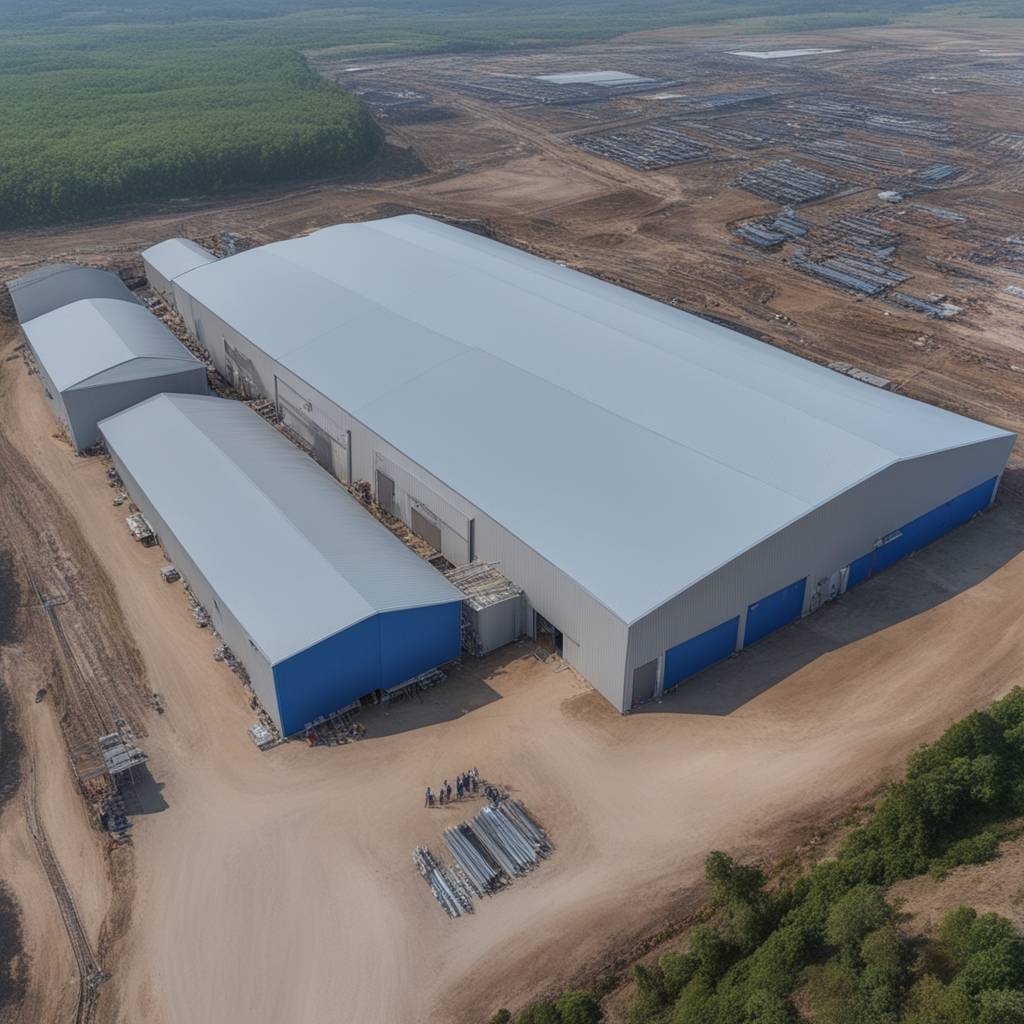
 Installation issues (17%)- Skimp quality on installation, and you might pay later. Improper installation of roofing sheets and the overall structure can create gaps that let water in.
 Quality Installation: Hire experienced professionals for PEB shed installation to ensure everything is watertight.
 Share your thought! Have You encountered leaks in your PEB shed ? what was the cause and how did Your address it?